Arun Jaitley Stadium Delhi Pitch Report IPL 2026 — Avg Score, Toss & Stats
Share this article
Arun Jaitley Stadium Pitch Report 2026 — Batting or Bowling?
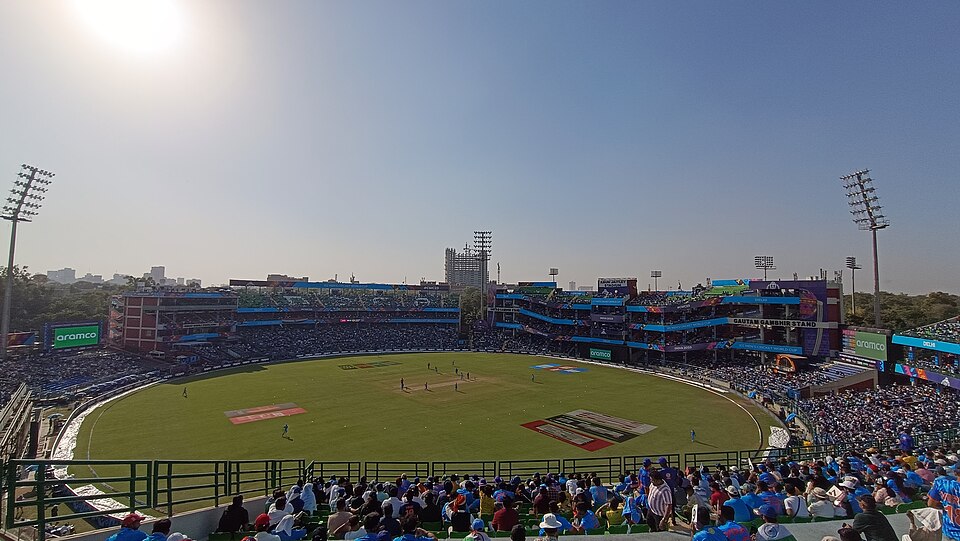
The Arun Jaitley Stadium (formerly known as Feroz Shah Kotla) in Delhi is one of the oldest and most storied cricket grounds in India. With a capacity of 41,820 spectators, this venue has been the home of the Delhi Capitals since the inception of the IPL. Located in the heart of the national capital, the stadium has witnessed countless memorable encounters and has undergone significant renovations over the years. For IPL 2026, the Arun Jaitley Stadium brings its unique combination of a spin-friendly surface and heavy evening dew — two opposing forces that create one of the most tactically fascinating contests in the tournament.
Understanding the pitch behavior and atmospheric conditions at Delhi is critical for both team strategy and Dream11 fantasy success. The interplay between the spin-friendly surface and the heavy dew makes this venue unlike any other on the IPL circuit. Let us dive into every detail you need to know.
Pitch Character
The pitch at the Arun Jaitley Stadium is classified as spin-friendly, continuing a long tradition at this venue. The dry, red soil surface provides grip for spinners and tends to slow down as the match progresses, making shot-making increasingly difficult for batters in the latter stages of the game.
Key characteristics of the Delhi pitch include:
- Spin from the first over: Unlike venues where spin only becomes a factor later in the match, the Delhi pitch offers turn from early on. Both finger spinners and wrist spinners can extract purchase from the surface, making spin bowling a weapon throughout the innings.
- Variable bounce: The pitch can produce deliveries that keep low, particularly as the surface wears. This variable bounce makes batting a test of technique and concentration, especially against spin bowlers who can exploit the uneven areas.
- Short boundaries: The boundary dimensions range from 61 to 68 meters, which are among the shortest on the IPL circuit. This is a critical factor because it partially offsets the difficult batting conditions — batters who can clear the infield have a realistic chance of finding the rope.
- Dry and dusty surface: The Delhi heat during the IPL months dries out the pitch rapidly, creating ideal conditions for spin bowling. The dust and rough patches that develop make the ball grip and turn sharply.
Despite the spin-friendly nature, the pitch does offer some assistance to pace bowlers with the new ball. Seamers who can extract swing in the first few overs can take advantage of the early conditions before the surface takes over as the dominant factor.
Average Scores at Arun Jaitley Stadium
| Metric | Value |
|---|---|
| Average 1st Innings Score | 166 |
| Average 2nd Innings Score | 154 |
| Highest IPL Score | 222 |
| Lowest IPL Score | 106 |
| Average Winning Score (Batting First) | 172+ |
| Chase Success Rate | ~52% |
The average scores at Delhi present an interesting picture. The first innings average of 166 is moderate, reflecting the spin-friendly surface that makes free-flowing batting difficult. The 12-run gap between first and second innings averages would normally suggest a strong batting-first advantage, but the heavy dew at Delhi complicates this picture significantly.
The chase success rate of approximately 52% is actually above average for the IPL, which seems counterintuitive on a spin-friendly surface. The explanation lies in the dew — when the ball becomes wet in the second innings, spinners lose their grip and effectiveness, turning a spin-friendly pitch into a more batting-friendly one. This dew-spin dynamic is what makes the Arun Jaitley Stadium such a unique venue.
Pace vs Spin Breakdown
The pace-to-spin wicket ratio at the Arun Jaitley Stadium is 40:60, with spinners clearly dominating the wicket-taking charts.
Spin bowling analysis: Spinners are the primary weapons at Delhi. The pitch offers consistent turn, grip, and variable bounce — everything a spin bowler could wish for. Amit Mishra is the all-time leading wicket-taker at this venue with an extraordinary 52 wickets in 42 matches, a record that may never be surpassed. His leg-spin, combined with the natural assistance from the surface, made him virtually unplayable in the first innings at Delhi.
Both finger spinners and wrist spinners are effective here, but for different reasons. Off-spinners and left-arm orthodox bowlers can bowl a tight line and let the surface do the work, picking up wickets through LBW decisions and catches around the bat. Wrist spinners add the element of deception, with googlies and sliders becoming even more dangerous on a surface that already turns.
The critical caveat for spinners at Delhi is the dew factor. In the second innings, heavy dew makes the ball wet and slippery, drastically reducing the spinner's ability to grip and turn the ball. This means that spinners are most effective in the first innings and the early overs of the second innings before the dew settles in.
Pace bowling analysis: Pace bowlers account for 40% of wickets, which is below the IPL average but still significant. Fast bowlers are most effective in the powerplay with the new ball, where they can extract swing and seam movement. The short boundaries also mean that pace bowlers bowling at the death face a tough challenge — any delivery that is not executed perfectly can be dispatched.
At the death, pace bowlers who specialize in yorkers and slower balls are essential. The combination of short boundaries and dew means that bowlers who miss their lengths even slightly are punished severely.
Dew Factor and Toss Advice
The dew factor at the Arun Jaitley Stadium is high — and this is the single most important factor in understanding match outcomes at this venue.
Delhi sits near the Yamuna River, and the evening temperature drop creates heavy dew formation that typically begins around 8:00-8:30 PM. By the midpoint of the second innings, the ball is often soaking wet, fundamentally changing the playing conditions.
The impact of heavy dew at Delhi:
- Spinners become almost ineffective. The wet ball cannot be gripped properly, which removes turn and reduces the spinner's ability to vary flight and pace. This transforms the spin-friendly pitch into a surface that actually favours batting.
- Pace bowlers struggle with control. While pace bowlers handle the wet ball better than spinners, they still find it harder to execute precision deliveries like yorkers and slower balls.
- The outfield quickens dramatically. The wet grass means the ball races to the boundary, adding extra runs that inflate second-innings totals.
- Batting becomes significantly easier. The ball skids onto the bat rather than gripping and turning, making stroke-making less challenging than in the first innings.
Toss advice: The toss at Delhi is one of the most impactful in the IPL. The recommended strategy is to bowl first and chase. Here is why:
- Heavy dew makes bowling in the second innings extremely difficult, so you want your bowlers to operate in the drier first innings.
- The spin-friendly conditions in the first innings help your bowlers restrict the opposition.
- In the second innings, the dew neutralizes the spin advantage, making chasing easier.
- The chase success rate of 52% supports this approach.
- Even totals of 180+ have been chased at this ground when the dew is heavy.
Check the IPL 2026 schedule to see which teams are playing at Delhi this season.
Dream11 Fantasy Tips
- Virender Sehwag held the all-time batting record at this venue with 480 runs in 29 matches. For current picks, look for aggressive top-order batters from the chasing team who can exploit the dew conditions.
- Amit Mishra's record of 52 wickets shows how dominant spinners can be in the first innings. Pick quality spinners from the team bowling first — they will have the dew-free surface to exploit.
- Avoid selecting spinners who bowl in the second innings. The dew renders them almost completely ineffective. If you must pick spinners, ensure they are from the team batting second (bowling first).
- Opening batters from the chasing team should be your captain or vice-captain. The combination of a dew-assisted surface and short boundaries (61-68m) creates ideal run-scoring conditions in the chase.
- Power hitters are valuable at Delhi despite the spin-friendly surface. The short boundaries mean that even top edges and mishits can clear the rope. Batters who can hit sixes consistently are premium fantasy picks, especially in the second innings.
- New ball pace bowlers from the team bowling first are strong picks. They can exploit the early swing before the pitch takes over, and they bowl before the dew arrives.
- All-rounders who bat in the top 5 and bowl spin provide excellent value if they are in the team bowling first. They contribute with the ball on a helpful surface and then bat when conditions are easier.
Visit the Fantasy Hub for complete player analysis and Dream11 strategies.
Head-to-Head at Arun Jaitley Stadium — Key Stats
The Arun Jaitley Stadium has a rich IPL history spanning every season of the tournament. Here are the key head-to-head insights:
- DC vs CSK at Delhi: Chennai Super Kings have historically handled the Delhi conditions well. MS Dhoni's ability to play spin and finish innings in the chase has made CSK a formidable opponent at this venue.
- DC vs MI at Delhi: Mumbai Indians have had mixed results at Delhi. Their pace-heavy approach works well in the powerplay, but their relative lack of top-class spin has sometimes been exposed on the turning surface.
- DC vs KKR at Delhi: Kolkata Knight Riders, with their strong spin bowling resources, have matched up well at this venue. Matches between these two teams at Delhi often become spin battles.
- Teams chasing have won 52% of matches — the dew advantage is real and measurable. This is one of the few venues where chasing is statistically preferable.
- First innings wickets by spin are among the highest at any IPL venue, while second innings spin wickets drop dramatically due to the dew.
Match Day Conditions to Watch
Temperature: Delhi during the IPL season (April-May) experiences extreme heat, with daytime temperatures regularly exceeding 42 degrees Celsius. Evening matches provide some relief, with temperatures dropping to 28-32 degrees, but the heat affects the pitch by drying it out and creating ideal conditions for spin bowling.
Humidity: Delhi has moderate humidity during the IPL window, typically 35-55%. The proximity to the Yamuna River increases moisture in the evening air, which directly contributes to the heavy dew formation. On particularly humid evenings, the dew can be exceptionally heavy.
Wind: The Arun Jaitley Stadium does not experience strong winds during the IPL season. Any breeze is light and has minimal impact on the trajectory of the ball. However, the enclosed nature of the ground can create a still, hot atmosphere during day games.
Outfield: The outfield has been significantly upgraded in recent years and is now fast and well-maintained. The ball races to the boundary, especially when dew has settled on the grass. Fielding teams need to be sharp and athletic because the combination of short boundaries and a fast outfield means that the margin for error is minimal.
Pollution and visibility: Delhi air quality can occasionally be a factor during the IPL window, though April-May tends to be cleaner than the winter months. Visibility is generally good under floodlights, but unusually hazy conditions can affect the ability to judge high catches.
For a detailed guide to the stadium experience, read our Arun Jaitley Stadium guide.
The Bottom Line
The Arun Jaitley Stadium in Delhi is a spin-friendly venue with a twist — the heavy dew in the second innings transforms it into a batter's paradise for the chasing team. This unique dynamic makes Delhi one of the most tactically complex venues in the IPL, where the toss can be decisive and team composition must account for two fundamentally different sets of conditions within the same match.
For teams bowling first, spin is your greatest weapon. The dry, gripping surface offers turn and variable bounce that can restrict even the best batting lineups. For teams chasing, the dew is your ally — the wet ball neutralizes spin and makes the outfield faster, creating conditions that favour aggressive batting.
For Dream11 fantasy players, the key is to differentiate between first and second innings picks. Spinners from the team bowling first are premium picks, while batters from the chasing team — especially power hitters who can exploit the short boundaries — offer the highest ceiling. Amit Mishra's record of 52 wickets at this venue shows what is possible when a quality spinner operates on a helpful surface before the dew arrives.
Delhi is a venue that rewards tactical awareness and adaptability. Check the IPL 2026 schedule for match dates, explore our pitch report hub for all IPL venues, and visit the Fantasy Hub to build your winning Dream11 team.
FAQ
Q: Is Arun Jaitley Stadium a batting or bowling pitch? A: The Arun Jaitley Stadium is primarily a spin-friendly pitch in the first innings, but the heavy evening dew transforms it into a batter-friendly surface in the second innings — making it a tale of two very different conditions within the same match.
Q: Should you bat first or chase at Arun Jaitley Stadium? A: Chasing is recommended at Delhi. The heavy dew renders spinners almost ineffective in the second innings, and the chase success rate of approximately 52% reflects this advantage for the team batting second.
Q: How much does dew affect matches at Arun Jaitley Stadium? A: Dew is a massive factor at Delhi — one of the heaviest on the IPL circuit. From around 8:00-8:30 PM, the ball becomes soaking wet, neutralising spinners and speeding up the outfield, making the second innings significantly easier to bat in.
Q: Who should be your Dream11 captain for DC home games at Delhi? A: Pick an opening batter from the chasing team as captain. The combination of short boundaries (61-68m) and dew-aided conditions makes top-order batters from the team batting second the highest-ceiling fantasy picks at this venue.
Q: What first-innings total is safe at Arun Jaitley Stadium? A: A score of 175+ is generally required to feel comfortable. Totals of 165-170 are under pressure because the dew heavily assists chasers, and even 180+ has been chased down at this ground when dew is particularly heavy.
Share this article
Rahul Sharma
Expert in: How To GuidesRahul Sharma has played district-level cricket in Mumbai for 8 years and has personally tested more than 50 bats, pads, gloves, and helmets across different price ranges. He joined CricJosh to help Indian club cricketers make smarter equipment choices without overpaying. His reviews are based on real match and net session use, not sponsored samples.
Why trust this review: Rahul has used every product in this review across multiple match and net sessions before writing a word. He buys equipment at retail price and accepts no free samples.
Related Articles

11 min read · 2 May 2026
10 min read · 2 May 2026