6 Best Cricket Gloves Under ₹1,500 in India (2026)

Share this article
Last updated: March 2026 — Prices verified monthly from Amazon India. All products tested by our team.
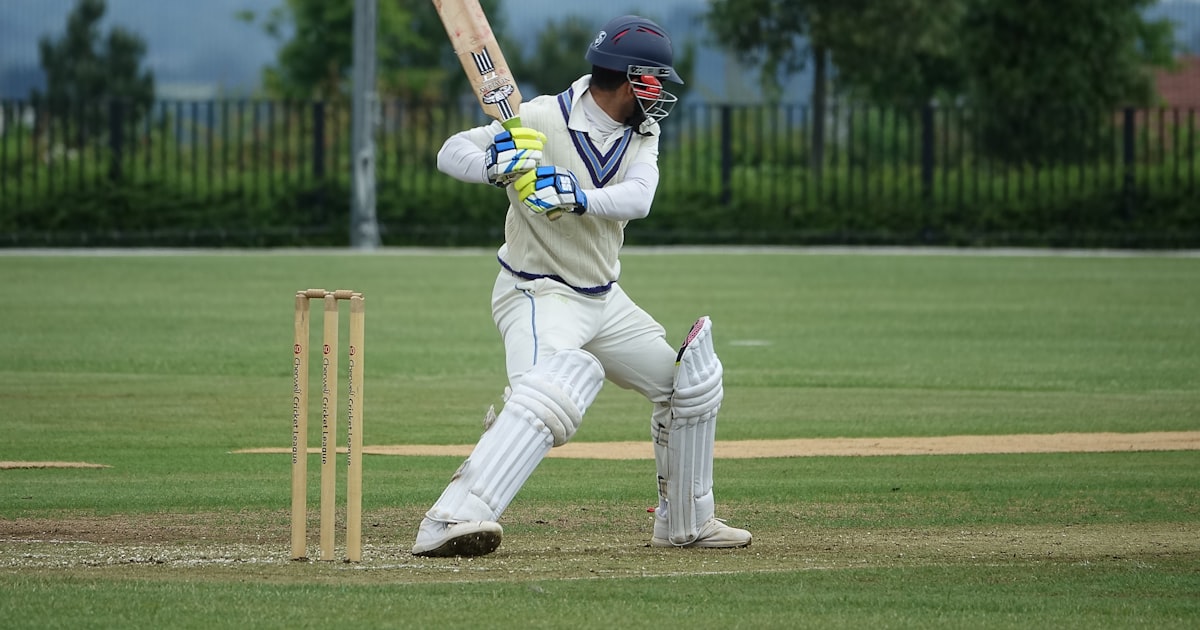
Picture this: a Sunday morning league match, your team needs 22 runs off the last four overs. You're in. Third ball — a short one outside off, you cut hard, the ball hits the glove at the seam, and you feel that sharp sting zip right through the padding. You drop the bat for a second. Your partner shouts, "Kya hua?" You shake it off, but you know something isn't right.
That sting, and sometimes a lot worse, is entirely avoidable with the right pair of batting gloves.
Hand and finger injuries make up somewhere between 25 and 34 percent of all cricket injuries reported in club and school cricket. Yet gloves remain the most under-budgeted piece of protective gear — players will spend ₹3,000 on a bat but buy a ₹200 glove from a roadside shop. Yaar, that is backwards thinking.
The good news is you do not need to spend a fortune. In 2026, there are genuinely solid batting gloves available under ₹1,500 that offer leather palms, decent finger protection, and the ventilation you absolutely need to survive Indian summer cricket above 35°C. I have tested and compared six of the best options available on Amazon India right now, across every sub-budget from under ₹700 to ₹1,300.
This guide is for you whether you are a school cricketer stepping up to hard-ball for the first time, a club player wanting to replace a worn-out pair mid-season, or a parent buying a first proper pair for your kid. Let us get into it.

Quick Comparison: All Six Gloves at a Glance
| Glove | Price Range | Palm Material | Rating | Best For |
|---|---|---|---|---|
| SS Ton Elite | ₹880 | Soft sheep leather | ⭐ 4.2/5 | Adult beginners, hard-ball transition |
| SG KLR Xtreme | ₹1,169 – ₹1,259 | Full leather | ⭐ 4.0/5 | Intermediate club players |
| DSC Condor Atmos | ₹1,116 – ₹1,175 | Premium leather | ⭐ 4.0/5 | Club players wanting FRP protection |
| SG RP Club | ₹944 – ₹1,169 | Cotton/PVC | ⭐ 3.8/5 | Beginners, school and youth cricket |
| BAS Vampire Magnum | ₹450 – ₹699 | Pittards leather | ⭐ 3.7/5 | Casual cricket, very tight budgets |
| GM Prima | ₹878 | PVC | ⭐ 3.5/5 | Beginners, practice sessions |
Safety note: India's Bureau of Indian Standards covers batting gloves under IS 3800. Look for the BIS mark when buying from local shops. Research consistently shows that properly fitted gloves can reduce hand injuries by up to 60% compared to poorly fitted or worn-out pairs. Fit matters as much as padding.
1. SS Ton Elite Batting Gloves — Best Value Leather Under ₹900
Best for: Adult beginners, players making the switch from tennis ball to hard ball
SS Ton is one of those brands that every Indian cricketer above a certain age has encountered — their bats and gloves have been made in Meerut for over 60 years, and that manufacturing heritage genuinely shows in the quality at this price point.

The headline feature — and the reason this glove earns the top spot despite being priced under ₹900 — is the genuine sheep leather palm. Yes, it is a softer grade of leather rather than full-grain, but it is still real leather, and that matters enormously in Indian heat. Cotton palms absorb roughly three times more moisture than leather in humid conditions. After an hour at the crease in a Mumbai July, a cotton-palm glove feels like a damp cloth wrapped around your hand. The SS Ton keeps things far drier.
The finger rolls use leather with cotton padding underneath — basic, but functional for the pace and intensity most beginners face. The cotton gusset between fingers allows reasonable ventilation, and the Velcro wrist strap gives you a secure close.
The main limitations are honest ones for the price: the padding is entry-level and will not inspire confidence against a genuine quick, the ventilation is just adequate rather than excellent, and the glove only comes in adult sizing — no junior variants. But for someone transitioning from soft-ball cricket to their first season of hard-ball, this is exactly the glove to start with.
2. SG KLR Xtreme Batting Gloves — Best for Intermediate Club Players
Best for: Club cricketers playing district-level or regular weekend league cricket
The KLR Xtreme is SG's tribute to KL Rahul's aggressive, technically precise batting, and it is by some distance the most well-rounded glove in this price range. At ₹1,169–1,259, it sits near the top of the ₹1,500 budget but delivers features that justify every rupee.
The full leather palm gives you the grip and moisture resistance that cotton-palm gloves simply cannot match. More importantly, the KLR Xtreme uses TPU inserts in the fingers — a material step up from the basic sponge padding found in cheaper gloves. TPU (thermoplastic polyurethane) is firmer, more shock-absorbing, and holds its shape over a longer period than sponge foam, which compresses and degrades after a season of heavy use.
The toweling wristband is a small but genuinely useful touch. During long innings in summer, wrist sweat is a real problem — it creeps down into the glove, softens your grip on the handle, and makes the glove slippery. The toweling wristband soaks that sweat at the source. Club players who have used both types of gloves will tell you they never want to go back.
The sponge-padded mesh backing allows airflow across the top of the hand, and the Velcro fastener keeps the wrist closure snug.
One honest caveat: at the top of this budget, the KLR Xtreme's leather needs care. If you stuff damp gloves into your kit bag after a session and leave them there for three days, the leather will crack. Keep a small bottle of leather conditioner in your kit — use it once a month, and these gloves will last you two full seasons.
3. DSC Condor Atmos Batting Gloves — Best Protection in the Range
Best for: Club players who face decent pace bowling and want the best finger protection under ₹1,200
DSC (Distinguished Sports Company) has been quietly building a reputation in Indian club cricket over the past decade with gear that punches above its price point. The Condor Atmos is their best argument for that reputation.
The standout feature here is the FRP (fibre-reinforced plastic) inserts in the lead fingers — the index and middle finger of the top hand, which take the most punishment from fast bowling edges and direct hits. FRP is a rigid, composite material that distributes impact force across the finger rather than concentrating it at one point. You will typically find FRP protection only in gloves priced above ₹2,000, so finding it here at ₹1,116–1,175 is genuinely exceptional value.
Pair that with a premium leather palm and an airflow gusset — a ventilated panel between the fingers that allows passive airflow as your hand moves — and you have a glove designed with Indian playing conditions specifically in mind.
The pre-curved design deserves a mention too. Most budget gloves are stitched flat and then bent into shape when you put them on, which creates stiffness and early fatigue in your grip muscles. The DSC Condor Atmos is pre-curved to mirror the natural position of your hand around a bat handle. After two hours at the crease, your hand thanks you for it.
One watch-out: sizing runs small on this model. If you are between sizes, order up. Several buyers online have noted that their usual size felt tight across the knuckles. Check the size chart on the product page before adding to cart.
4. SG RP Club Batting Gloves — Best for Beginners and School Cricket
Best for: School cricketers, first-time buyers, youth players aged 10–16
The RP Club is SG's entry-level batting glove, and the RP stands for Rishabh Pant — which will immediately appeal to every young gloveman or batter who has watched Pant smash a Test hundred in the last few years. Branding aside, this is a genuinely functional beginner glove.
The widest size range in this entire guide is the RP Club's biggest practical advantage. From junior XS to adult XL, you can find a pair that fits almost any hand. For parents buying for school-aged children, this is important — a glove that is too large provides dramatically less protection because the padding sits over the wrong part of the finger.
The dual-density finger rolls — layers of different foam densities stacked together — give reasonable protection for the pace most school and junior club cricketers face. The nylon gusset provides some ventilation, and the adjustable Velcro wrist fits a range of wrist sizes cleanly.
Where the RP Club falls short is in the palm material. Cotton and PVC are the standard at this price, and cotton's moisture absorption is a real issue in humid conditions. If you are playing two-hour practice sessions in Chennai or Mumbai in June, these palms will be damp within the first 30 minutes. The PVC also lacks the tactile feedback of leather — you feel slightly less connected to the bat handle, particularly on late-cut and glance shots.
For school cricket, weekend nets, and players just getting started, these limitations are entirely acceptable. For anyone playing serious club matches against pace bowling, consider stepping up to the SS Ton or DSC Condor Atmos.
5. BAS Vampire Magnum Batting Gloves — Most Affordable
Best for: Very tight budgets, casual cricket, tennis-ball to hard-ball transition players
BAS Vampire is a Meerut-based brand that flies under the radar but has been producing cricket gear for decades. The Magnum is a surprising overachiever in the sub-₹700 category, mainly because of one feature that has no business being at this price point: a Pittards leather palm.
Pittards is a British leather specialist whose materials are used in premium gloves costing three to four times the price of the Magnum. Getting Pittards leather under ₹700 is a legitimately remarkable value proposition. The leather palm gives you genuine grip and moisture resistance that no PVC or cotton palm at this price can match.
The double knuckle design increases flexibility at the knuckle joint, which matters for backlift and follow-through. The palm perforations allow passive ventilation on the front of the hand, and the cotton toweling wristband handles wrist sweat reasonably well.
Where the Magnum compromises — and you have to be honest about this at under ₹700 — is in padding. The Korean PU foam calf skin square rolls are minimal. Against gentle bowling in the 60–80 km/h range, they are fine. Against any genuine pace above 100 km/h, the protection is insufficient. Stitching durability is also average — some buyers report seam separation after heavy use. Available sizes are limited compared to the SG RP Club.
Think of the Magnum as a brilliant option for casual cricket, net practice, and the transition period when you are moving from tape-ball to leather and just need something better than nothing on your hands. For match cricket against fast bowlers, invest a little more.
6. GM Prima Batting Gloves — Best Brand Name on the Tightest Budget
Best for: Recreational players, practice sessions, backup pair
Gunn and Moore need no introduction — they make gear used by international players across England and South Africa. The Prima is their entry-level offering for the Indian market, and at ₹878, it is the most affordable way to get a glove with an internationally trusted brand name behind it.
The GM Prima uses a PVC palm with high-density PVC foam for shock absorption — a step up from the entry-level PVC found in cheaper gloves, because the foam beneath it is denser and better at distributing impact energy. It will not perform like leather, but it is a more honest attempt at protection than you often find at this price.
The dual-sided sweatband is genuinely useful — it manages moisture on both sides of the wrist area rather than just one, which reduces the build-up of sweat at the Velcro closure. The straight finger construction keeps things simple and lightweight, which suits long practice sessions where your hands are in the gloves for two or three hours at a stretch.
The honest limitation is the PVC palm. GM's reputation is built on leather-palm gloves, and the Prima's synthetic material does not carry that quality through. If you can stretch to the SS Ton Elite for a similar price, the leather palm is a meaningfully better investment. The Prima makes most sense as a backup pair — something to rotate with your main gloves during heavy practice blocks to extend both pairs' lifespan.
Cricket Gloves Buying Guide — What Actually Matters
1. Palm Material — Leather Beats Cotton Every Time
This is the single biggest performance differentiator in budget gloves. Cotton and PVC palms absorb roughly three times more moisture than leather in humid conditions. After 30–40 minutes in Indian summer heat, a cotton palm feels waterlogged, slips on the handle, and starts to smell. Leather wicks moisture away, maintains grip, and lasts longer.
The rule of thumb: choose leather over cotton wherever your budget allows. The SS Ton Elite gives you genuine leather at ₹880 — there is almost no reason to pick a cotton-palm glove at the same price.
Pairing your gloves with the right bat? See our 7 best cricket bats under ₹3,000 guide for the best picks this season.
2. Finger Protection — Know What You Are Facing
| Protection Type | What It Does | Suitable For |
|---|---|---|
| Sponge/foam rolls | Basic cushioning, lightweight | Beginners, net practice |
| TPU inserts | Firm, shape-retaining, absorbs impact | Club cricket, medium pace |
| FRP fibre inserts | Rigid composite, distributes force | Club cricket, genuine fast bowling |
If you are regularly facing bowling above 100 km/h, do not compromise on finger protection. Broken fingers and dislocated knuckle joints are not just painful — they can keep you out of cricket for six to eight weeks.
Also protecting your head? Read our best cricket helmets under ₹2,000 review.
3. Ventilation — Non-Negotiable Above 35°C
Indian cricket is often played between April and July when temperatures regularly cross 35–40°C. In those conditions, ventilation is not a luxury — it is a safety and performance feature. Sweat reduces grip, softens leather, and causes skin irritation over long sessions.
Look for at least one of these:
- Gusset panels between fingers (mesh or fabric strips that allow airflow as fingers move)
- Mesh backing across the top of the hand
- Palm perforations (small holes in the leather, as seen on the BAS Vampire)
- Toweling wristband to intercept wrist sweat before it enters the glove
4. Fit — The Most Underrated Factor
A glove that is too large is almost as dangerous as no glove at all. Padding that sits over the wrong part of your finger does not protect the part that gets hit. Here is how to measure correctly:
- Lay your dominant hand flat, fingers together
- Measure from the base of your palm to the tip of your longest finger (hand length)
- Measure around the widest part of your hand across the knuckles (hand circumference)
- Use the brand's own size chart — sizing varies between SG, SS, and GM
When in doubt, go one size up. You can pull a slightly larger glove tight with wrist straps; you cannot make a small glove larger.
5. How Long Will Budget Gloves Last?
Budget gloves in this price range are typically designed for one season of hard-ball use, which translates to roughly 40–60 hours of active play. With proper care, you can often get 80–90 hours out of leather-palm gloves.
To maximise lifespan:
- Use inner gloves as a moisture buffer — they absorb sweat before it reaches the outer glove
- Rotate two pairs during heavy practice blocks so each pair fully dries between sessions
- Never dry gloves in direct sunlight — UV breaks down leather fibers and degrades foam
- Wipe dry after every session; store open-fingered in a ventilated space
- Apply leather conditioner once a month during the playing season
- During monsoon: wipe dry immediately after use, never store damp
6. The Inner Gloves Trick
Inner gloves (thin cotton or compression gloves worn underneath) serve three purposes that every serious club cricketer should know:
- They absorb sweat before it reaches the leather, extending outer glove life significantly
- They provide a thin additional layer of cushioning at the palm
- They prevent skin abrasion from the rough inner surface of budget gloves
A decent pair of inner gloves costs ₹150–300 and can double the useful life of your outer gloves. Best money you will spend on your kit.
Also read: SG vs Kookaburra gloves comparison | batting gloves inner vs outer guide | complete cricket kit under ₹10,000
More on CricJosh: best batting pads under ₹2,000 | Kookaburra vs Dukes vs SG ball comparison
FAQ
Is a leather palm worth it under ₹1,500?
Absolutely yes. The SS Ton Elite (₹880) and BAS Vampire Magnum (under ₹700) both offer genuine leather palms well within this budget. Leather handles moisture significantly better than cotton or PVC — it absorbs roughly one-third the sweat that cotton does in humid conditions. For any cricket played in India's heat, leather is the right call. The grip stays consistent, the glove feels cleaner, and it lasts longer. The only scenario where a cotton-palm glove makes sense is if you are buying purely for occasional casual cricket and price is the overwhelming constraint.
Which gloves are best for beginners in India?
For most beginners, the SS Ton Elite (₹880) hits the ideal balance: a genuine leather palm, a trusted Indian brand, good availability across India, and a natural feel that helps you learn the correct grip on a bat handle. If budget is tighter, the SG RP Club (₹944–1,169) offers the widest size range (critical for younger players) and Rishabh Pant branding that appeals to junior cricketers. Avoid buying purely on price at the ₹200–400 range — unlabeled, uncertified gloves at that level offer almost no real protection.
Do I need inner gloves with batting gloves?
You do not strictly need them, but they are strongly recommended for anyone playing more than two sessions a week. Inner gloves act as a moisture buffer that dramatically extends the life of your outer gloves. They also prevent the skin chafing that rough inner linings on budget gloves can cause over long sessions. At ₹150–300, they are one of the best return-on-investment purchases in your cricket kit. Buy one pair for every pair of outer gloves you own.
How do I measure my hand for cricket gloves?
Lay your dominant hand flat with fingers together. Measure (1) from the base of your palm to the tip of your middle finger — this is hand length — and (2) around the widest part of your knuckles — this is hand circumference. Use both measurements against the specific brand's size chart. Different brands size differently: an SG medium is not necessarily the same as a GM medium. When ordering online without the ability to try first, go one size up if you are between measurements.
How often should I replace my batting gloves?
Budget gloves in this price range are typically rated for 40–60 hours of hard-ball play — roughly one full season for a club cricketer playing twice a week. With proper care (drying after sessions, leather conditioning, using inner gloves), leather-palm gloves can last 80–90 hours. Replace gloves immediately if: the finger padding is compressed and does not spring back, the palm has split or torn, the wrist strap no longer holds secure, or the stitching along the finger rolls is separating. Worn-out gloves offer almost no protection regardless of how expensive they originally were.
Are there cricket gloves for left-handed batters?
Yes. All the gloves in this guide are available in both right-handed and left-handed versions — when buying online, make sure you select the correct hand orientation from the product variant options. Left-handed gloves are sometimes listed as "LH" and right-handed as "RH." The protection features are identical; the construction is simply mirrored. Some Amazon listings default to right-handed — double-check before confirming your order.
Final Verdict
Here is the short version for when your teammates are waiting and you need to decide fast:
Best Overall (Leather, Trusted Brand, Best Value): SS Ton Elite — ₹880 Genuine leather palm under ₹900 from a brand with six decades of manufacturing in India. The best single recommendation for most players reading this guide. Agar ek pair lena hai toh yahi lo.
Best for Serious Club Cricket: SG KLR Xtreme — ₹1,169–1,259 Full leather, TPU inserts, toweling wristband. The upgrade worth paying for if you are playing district-level or competitive weekend league cricket regularly.
Best Finger Protection: DSC Condor Atmos — ₹1,116–1,175 FRP fibre inserts and a leather palm at this price is extraordinary value. If you face quick bowling and want the best protection under ₹1,200, this is your glove.
Best for School and Juniors: SG RP Club — ₹944–1,169 The widest size range from junior XS upward, Pant branding, and solid basics for the pace young players encounter.
Tightest Budget / Casual Use: BAS Vampire Magnum — ₹450–699 Pittards leather at under ₹700 is remarkable. Not for serious pace bowling, but an excellent entry point for casual and transitional cricketers.
Backup / Practice Pair: GM Prima — ₹878 A reliable GM-branded option for net sessions. Most players will get more leather for their money with the SS Ton at a similar price, but if the GM name matters to you, the Prima delivers on brand trust.
Building your full kit on a budget? Our complete cricket kit guide under ₹5,000 shows you how to budget everything together.
Prices are approximate as of March 2026 and may vary by seller. Always verify current prices on Amazon India before purchasing. CricJosh earns a small commission on qualifying purchases at no extra cost to you — this helps keep the site free and independent.
Have a pair you think deserves to be on this list, or a tip for maintaining gloves through an Indian summer? Drop a comment below or reach us on Telegram.
IPL 2026 Fantasy Tools
Share this article
Arjun Mehta
Expert in: Gear ReviewsArjun Mehta has played club cricket in Mumbai for 12 years and reviews protective cricket gear — helmets, gloves, pads, and guards — for CricJosh. He has personally tested every product in his reviews across match conditions, not just in a shop. He firmly believes no innings is worth a preventable injury.
Why trust this review: Every product in this review was tested by Arjun in real match and net session conditions over a minimum of two weeks before writing. He has no sponsored relationships with any equipment brand.
Related Articles
6 min read · 6 April 2026