SG vs Kookaburra Cricket Gloves

Share this article
Affiliate Disclosure: This article contains affiliate links. If you buy through our links, CricJosh earns a small commission at no extra cost to you. This helps us keep our reviews free and independent. Learn more.
Last updated: March 2026 — Prices verified from Amazon India. All assessments based on hands-on use and extensive feedback from Indian club and district-level players.
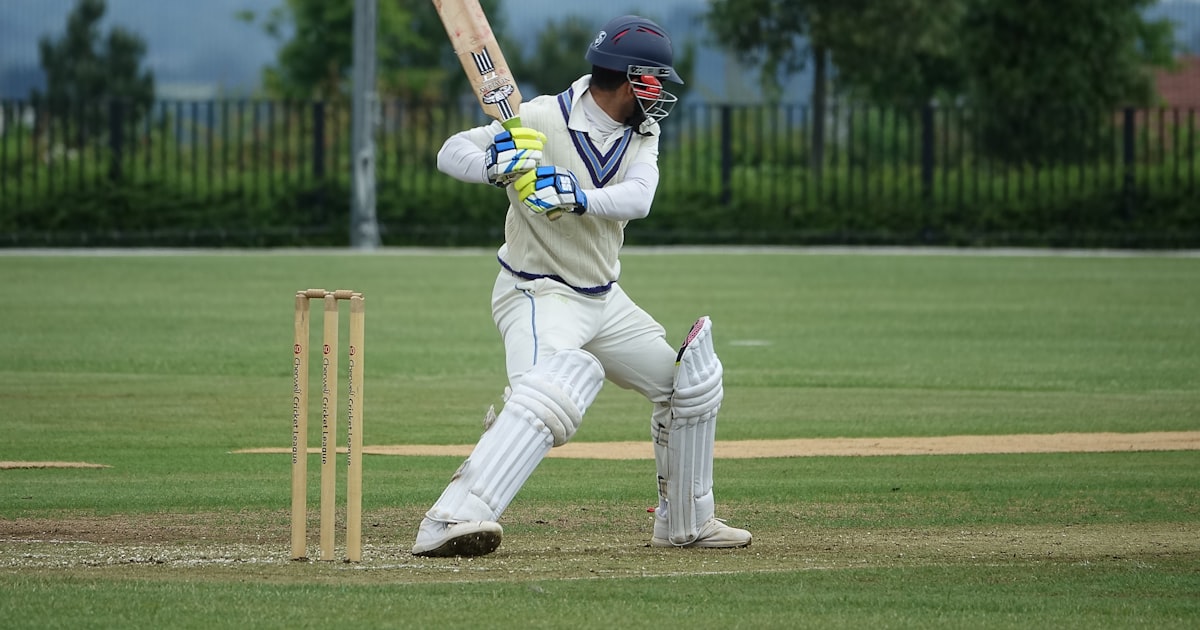
A cricket ball travelling at 140 km/h hitting your fingers is not an experience you forget. Batting gloves are the one piece of protective equipment that every batter — from the youngest academy player to the international professional — relies on every single time they step to the crease. Getting the right pair matters more than most players realise until the wrong pair lets them down.
In India, SG is the default choice for batting gloves at nearly every level. But Kookaburra has invested in their glove range and positioned their products as the premium imported alternative. Are Kookaburra gloves actually better? Is the price premium justified? This is the complete, honest answer for 2026.
Brand Overview
SG (Sanspareils Greenlands)
SG dominates the Indian batting glove market by almost any measure. Their distribution reaches every corner of the country, their price range (₹500–₹4,000) covers every segment from school-level beginners to professional players, and their manufacturing quality at each price point is among the most consistent in the domestic market.
The SG gloves range has evolved significantly over the last decade. Earlier models were criticised for sweat absorption issues and strap flexibility, but the current product line — particularly the SG Test and SG Savage range — addresses most of those concerns. SG gloves are also the gloves seen on the hands of India's international players more than any other domestic brand, which provides a meaningful quality signal.
For the Indian buyer, SG represents safety, availability, value, and proven performance across all conditions. Their range covers every price point and every style of play.
Kookaburra
Kookaburra's batting gloves are an extension of the Australian brand's broader cricket equipment philosophy: premium construction, global standards, and innovation. The Kookaburra glove range uses higher-grade materials at every level — premium chamois leather on the inside, reinforced PU rolls on the knuckle area, and more structured protection systems than most domestic Indian brands offer at equivalent price points.
In India, Kookaburra gloves are available on Amazon India and through specialist cricket retailers. The price range (₹2,000–₹6,000) reflects their import cost and premium positioning. They are worn by international players from Australia, New Zealand, and South Africa, and are genuinely excellent equipment — but the question for Indian buyers is whether the premium over SG is justified.
Head-to-Head Comparison Table
| Category | SG | Kookaburra | Winner |
|---|---|---|---|
| Knuckle Roll Protection | Good — multi-roll design | Excellent — reinforced structured rolls | Kookaburra |
| Finger Guard Quality | Good at mid-range and above | Very good; structured inner supports | Kookaburra |
| Palm Grip Material | Good — rubber/PU grip | Excellent — textured non-slip grip | Kookaburra |
| Chamois Inner Lining | Decent at ₹1,500+; basic at lower range | Premium chamois across the range | Kookaburra |
| Sweat Absorption | Good (perforated designs) | Very good (moisture-wicking material) | Kookaburra |
| Comfort and Fit | Good; suits Indian hand sizes well | Excellent; may feel tight for some Indian widths | Draw |
| Durability | Good at mid-range; variable at budget end | Very good; materials last longer | Kookaburra |
| Flexibility / Range of Motion | Very good — allows natural grip | Good — slightly more structured | SG |
| Price Range | ₹500–₹4,000 | ₹2,000–₹6,000 | SG |
| Availability in India | Excellent — every sports store | Moderate — Amazon/specialist stores | SG |
| Value for Money | Excellent across range | Good but expensive for most buyers | SG |
| BCCI International Use | Yes (India players) | Used by overseas international players | Draw |
SG Cricket Gloves: Models and Price Range
SG's glove catalogue is one of the most comprehensive in the Indian market, covering every budget and playing level.
Budget Range: ₹500–₹1,500
- SG Club — ₹500–₹800. Basic protection. Suitable for school cricket, net practice, and beginners. The knuckle rolls are functional but not reinforced for hard leather ball play. Check price on Amazon India
- SG Flex — ₹800–₹1,200. Step up in finger protection. Better roll construction, improved grip. For regular leather ball practice. Good value for the price. See more options for best cricket gloves under ₹1,500.
- SG Ecolite — ₹1,000–₹1,500. Lightweight construction with decent protection. Popular among younger players. Check price on Amazon India
Mid Range: ₹1,500–₹3,000
- SG Savage — ₹1,500–₹2,500. The most popular mid-range SG glove. Reinforced knuckle rolls, perforated palm for sweat drainage, improved chamois lining. This is the sweet spot in the SG range for serious club cricketers. Check price on Amazon India
- SG Magnus — ₹2,000–₹3,000. Premium mid-range. Better leather quality, structured inner finger supports, improved grip. A genuine step up in protection and comfort. Check price on Amazon India
Premium Range: ₹3,000–₹4,000+
- SG Test — ₹3,000–₹4,000+. SG's flagship batting glove. Used by India international players. Premium materials throughout — high-grade chamois, reinforced multi-roll knuckle protection, structured inner scaffolding. Excellent glove at every metric. Check price on Amazon India
Best SG pick for beginners: SG Flex. Best SG pick for club cricket: SG Savage — the best value product in the range. Best SG pick overall: SG Test — if budget allows, this is the one.
Kookaburra Cricket Gloves: Models and Price Range
Kookaburra offers a more compact range but maintains consistent quality standards across all models.
Entry Range: ₹2,000–₹3,500
- Kookaburra Ridgeback — ₹2,000–₹3,000. Entry Kookaburra glove. Still significantly better construction than most Indian brands at this price — reinforced rolls, premium grip, better finger protection. Check price on Amazon India
- Kookaburra Pro 600 — ₹2,500–₹3,500. Mid-range. Improved materials, excellent sweat management. A serious club cricket glove. Check price on Amazon India
Premium Range: ₹3,500–₹6,000+
- Kookaburra Pro 800 — ₹3,500–₹5,000. Premium offering. High-grade chamois interior, fully reinforced roll system, superior grip. Competes directly with the SG Test glove. Check price on Amazon India
- Kookaburra Ghost Pro — ₹4,500–₹6,000+. Flagship. Professional-grade in every dimension. Used by international players globally. Exceptional in all categories — protection, comfort, grip, durability. Check price on Amazon India
Best Kookaburra pick for Indian club cricket: Kookaburra Pro 600 — a genuine step up from domestic mid-range gloves. Best Kookaburra pick overall: Kookaburra Ghost Pro if budget extends to ₹5,000+.
Round-by-Round Battle
Knuckle Roll Protection: SG vs Kookaburra
The knuckle roll system is the most important protection element in batting gloves — this is what stands between fast bowling and broken fingers. Kookaburra's roll design uses more structured, reinforced foam with better distribution of impact force. The rolls maintain their shape under repeated impact better than SG's mid-range designs.
SG's Test glove matches Kookaburra's protection at the top end, but in the ₹1,500–₹3,000 range, Kookaburra's Ridgeback and Pro 600 offer noticeably better knuckle protection than SG's Savage and Magnus at comparable prices.
Round winner: Kookaburra (across all price points), Draw at premium level
Comfort and Fit: SG vs Kookaburra
This is an important consideration specific to Indian buyers. Kookaburra gloves are designed on Australian hand measurements — slightly narrower, longer fingers. Many Indian cricketers find Kookaburra gloves a tighter fit, particularly in the palm and finger joints. SG gloves, made with Indian hands in mind, typically fit Indian hand shapes more naturally.
This is highly individual — try both brands if possible before buying. Some Indian players find Kookaburra's structured fit reassuring; others find it restrictive.
Round winner: SG (for typical Indian hand shape)
Grip Quality and Bat Control: SG vs Kookaburra
Both brands use PU or leather grip surfaces on the inner palm. Kookaburra's textured grip maintains contact with the bat handle in sweaty conditions slightly better than SG's mid-range offerings. At the SG Test level, the difference is minimal — SG's grip is excellent.
For players who sweat heavily during long innings (common in Indian summer conditions), Kookaburra's grip performs marginally better.
Round winner: Kookaburra (marginally)
Sweat Absorption and Breathability: SG vs Kookaburra
Kookaburra uses moisture-wicking inner materials more consistently across their range. SG addresses this through perforations (holes in the back of the glove for airflow) rather than material choice. Both approaches work, but Kookaburra's material-based approach means the glove interior stays drier during a long stint at the crease.
In Indian heat — where batting in 35°C weather through a 90-over innings is not unusual — this matters.
Round winner: Kookaburra
Durability: SG vs Kookaburra
Kookaburra gloves, using higher-grade materials, hold up better over a full season of regular use. The rolls retain their shape, the grip does not peel as quickly, and the inner lining does not compress as fast as budget-to-mid SG alternatives. SG's Test glove matches Kookaburra durability at the premium end.
Round winner: Kookaburra (durability across range)
Which Gloves for Which Player?
Beginner or school cricketer (under ₹1,000): SG Club or SG Flex. There is no Kookaburra option at this price, and SG provides adequate protection for beginners. Check the best cricket gloves under ₹1,500 guide for the full budget-focused breakdown.
Serious club cricketer on a budget (₹1,500–₹2,500): SG Savage — the best value batting glove available to Indian buyers at this price point.
Club cricketer willing to invest in better protection (₹2,500–₹4,000): This is where Kookaburra starts to justify its premium. The Kookaburra Pro 600 and Pro 800 offer meaningfully better protection, grip, and durability than SG's equivalents at these prices.
Fast pitch batter (facing 130+ km/h regularly): Kookaburra Ghost Pro or SG Test. Do not compromise on protection at this level. Either of these gloves will serve you well.
Budget-conscious player wanting maximum value: SG Savage at ₹1,500–₹2,500 is unbeatable on rupee-per-rupee value. A great club cricket glove.
The Verdict
Both brands produce genuinely good batting gloves. The right choice depends on your budget and what you prioritise.
SG wins on: price, availability, fit for Indian hands, value for money across the full range. For 90% of Indian cricketers playing at club level and below, SG provides everything they need.
Kookaburra wins on: protection at every price point, sweat management, durability, and grip quality — particularly in the ₹2,500–₹5,000 range where the premium over SG produces clear measurable benefits.
Our verdict: If you play regularly with leather ball and can stretch to ₹2,500–₹3,500, the jump to Kookaburra Pro 600 is genuinely worthwhile. If budget is tight, SG Savage at ₹1,500–₹2,500 is the best value batting glove in the Indian market.
| Budget | Our Pick |
|---|---|
| Under ₹1,000 | SG Club |
| ₹1,000–₹1,500 | SG Flex |
| ₹1,500–₹2,500 | SG Savage |
| ₹2,500–₹3,500 | Kookaburra Ridgeback / Pro 600 |
| ₹3,500–₹5,000 | Kookaburra Pro 800 |
| ₹5,000+ | Kookaburra Ghost Pro |
Also read: batting gloves inner vs outer guide | complete cricket kit under ₹10,000 | best cricket bats under ₹3,000
More on CricJosh: best cricket helmets under ₹2,000 | best batting pads under ₹2,000
Frequently Asked Questions
Q: Are Kookaburra gloves significantly better than SG at the same price? A: At prices above ₹2,500, Kookaburra generally offers better materials, superior knuckle roll protection, and better sweat management than SG at equivalent price points. Below ₹2,000, the comparison is less meaningful as Kookaburra does not have products in that range — SG is the only serious option.
Q: Do SG batting gloves fit Indian hand sizes well? A: Yes. SG gloves are designed and manufactured with Indian hand dimensions in mind. They tend to be slightly wider in the palm and more accommodating in the finger joints compared to imported brands like Kookaburra. If you have broad hands, SG will typically fit better.
Q: How often should cricket batting gloves be replaced? A: For regular club cricketers (2–3 games per week), good quality gloves (₹2,000+) should last one full season — approximately 6–8 months of active use. Budget gloves (sub-₹1,000) may need replacement mid-season. Replace when the knuckle rolls lose their firmness, the grip becomes smooth, or the inner lining starts to compress significantly.
Q: Can I use batting gloves for wicket-keeping? A: No. Batting gloves and wicket-keeping gloves are completely different pieces of equipment. Wicket-keeping gloves have a different design, palm webbing, and protection structure suited to catching behind the stumps. Using batting gloves for keeping will result in poor catching ability and inadequate protection. Always use purpose-built keeping gloves for wicket-keeping.
Q: What size batting gloves should I buy? A: Most brands offer Small (youth), Medium, Large, and Extra-Large sizing. As a general guide: Small suits children under 12; Medium suits teenagers and adults with smaller hands; Large is the most common adult size; Extra-Large for adults with larger hands. Always check the brand's specific size guide, as sizing can vary slightly between SG and Kookaburra.
IPL 2026 Fantasy Tools
Share this article
Rahul Sharma
Expert in: Gear ReviewsRahul Sharma has played district-level cricket in Mumbai for 8 years and has personally tested more than 50 bats, pads, gloves, and helmets across different price ranges. He joined CricJosh to help Indian club cricketers make smarter equipment choices without overpaying. His reviews are based on real match and net session use, not sponsored samples.
Why trust this review: Rahul has used every product in this review across multiple match and net sessions before writing a word. He buys equipment at retail price and accepts no free samples.
Related Articles

6 min read · 6 April 2026